Quality & Network
How we manage quality and our production network.
Kuluyever Manufacturing works with a managed network of specialist production partners. This page explains how projects are reviewed, how partners are selected, and how quality is planned and coordinated.
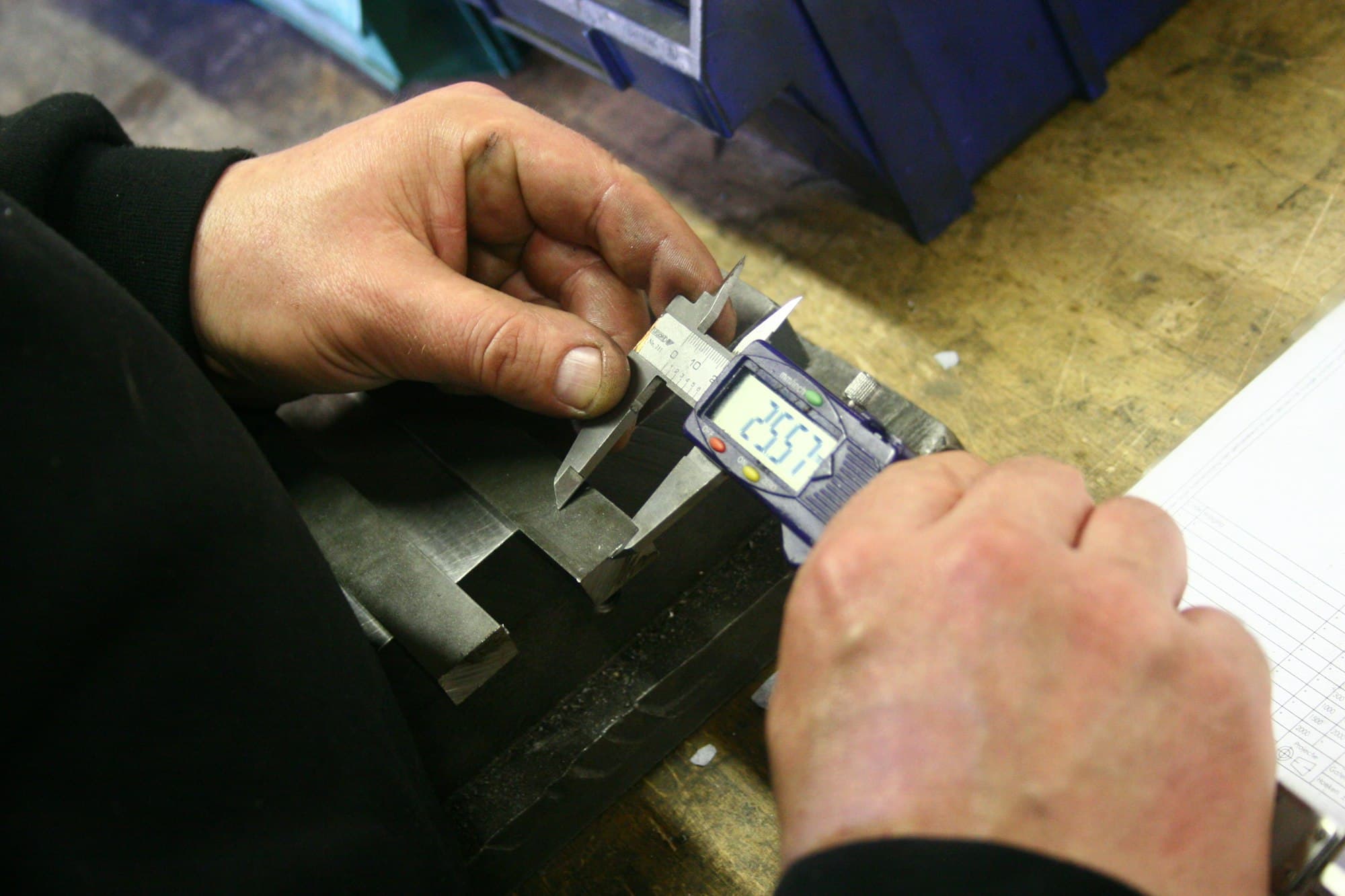
How project requirements are reviewed
Drawings, CAD files, materials, quantities, and quality and delivery expectations are reviewed to confirm what the project needs before a production route is developed.
How production routes are developed
A route is set out describing the sequence of processes, inspection points, and finishing operations required to complete the project.
How specialist partners are selected
Partners are matched to the project according to process capability, material experience, capacity, quality performance, communication, delivery reliability, documentation ability, and geographic suitability.
How quality requirements are agreed
Inspection, testing, and documentation requirements are confirmed during quotation and contracting, based on what the specific project needs.
How production progress is monitored
Production is tracked against the agreed plan, with progress reflected in your project dashboard as work moves through each stage.
How documentation is coordinated
Material certificates, inspection reports, and certificates of conformity are collected and organised as they become available from the relevant partner.
How issues are communicated
Any issue identified during production is logged with the action taken, and communicated through your central project contact.
How delivery is managed
Packaging, shipment consolidation, and logistics are coordinated so that finished parts reach you as agreed.
What we do and do not claim
- Partner identities are not published without permission, to protect confidentiality across the network.
- We do not claim that every partner or process holds the same certification or meets an identical regulatory standard.
- Specific tolerances, defect rates, certifications, and inspection methods are confirmed during quotation and contracting, not promised in general terms.